Scientific Vision and Foresight Verne grounded his tale in the science of his era, consulting experts for accuracy. He correctly anticipated: - Launch from Florida (echoing Cape Canaveral). - Weightlessness in space. - The need for air purification in a sealed capsule. - A splashdown recovery in the ocean. Of course, not everything holds up today—such as the giant space gun (which would pulverize passengers) or assumptions about the Moon's surface. Yet, Verne's blend of hard science, adventure, and wonder feels remarkably prescient, especially compared to the Apollo missions a century later. The book also explores themes of human curiosity, international cooperation (an American-French endeavor), and the limits of technology. Michel Ardan's poetic enthusiasm contrasts with the precise calculations of Barbicane and Nicholl, creating lively dialogue amid the isolation of space.
Stunning Illustrations and Cultural Impact
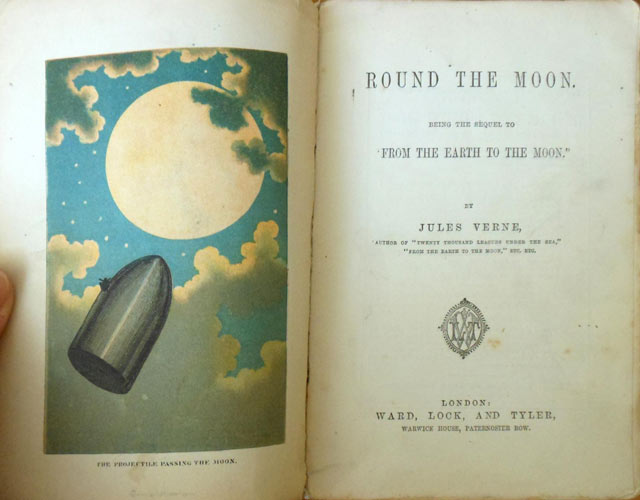
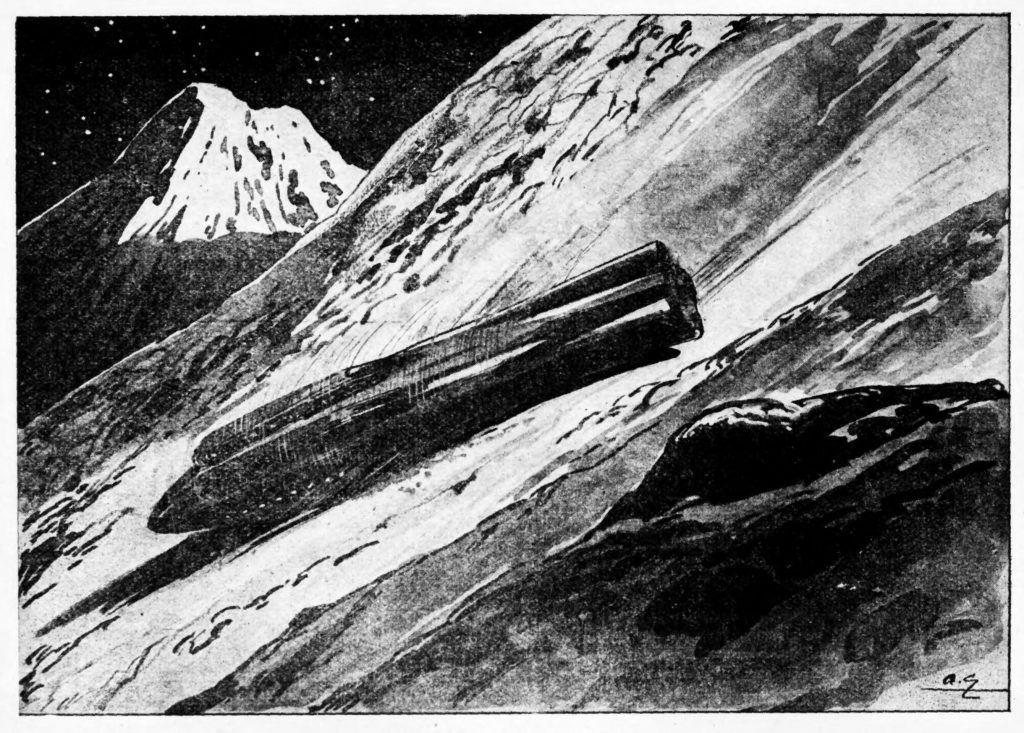
The original 1870 French edition featured vivid wood engravings by Émile-Antoine Bayard and Alphonse de Neuville. These rank among the earliest "serious" space art, depicting the projectile against the lunar backdrop with scientific detail and dramatic flair.

*Around the Moon* stands as a cornerstone of sci-fi literature. It inspired generations of dreamers, engineers, and astronauts. Reading it today highlights how Verne didn't just predict space travel—he made it feel achievable, exciting, and profoundly human. Whether you're a fan of classic literature, space history, or simply great storytelling, *Around the Moon* (best read after or alongside *From the Earth to the Moon*) remains a delightful journey. As Verne might say, the real adventure lies in daring to reach for the stars—even if you only circle the Moon. **Have you read Verne's lunar adventures? What other classic sci-fi voyages capture your imagination? Share in the comments!** *Images: Classic book covers and period illustrations from public domain and archival sources.*
*Around the Moon* stands as a cornerstone of sci-fi literature. It inspired generations of dreamers, engineers, and astronauts. Reading it today highlights how Verne didn't just predict space travel—he made it feel achievable, exciting, and profoundly human. Whether you're a fan of classic literature, space history, or simply great storytelling, *Around the Moon* (best read after or alongside *From the Earth to the Moon*) remains a delightful journey. As Verne might say, the real adventure lies in daring to reach for the stars—even if you only circle the Moon. **Have you read Verne's lunar adventures? What other classic sci-fi voyages capture your imagination? Share in the comments!** *Images: Classic book covers and period illustrations from public domain and archival sources.*


No comments:
Post a Comment